The Ultimate Guide to Home Studio Acoustics

Proper acoustics are essential for achieving accurate audio recording, mixing, and playback.

When you record or listen to music in a room, sound bounces off the walls, floor, and ceiling. These echoes can make things sound weird, muddy, or too harsh. Good acoustics help you hear and record sound more accurately, allowing you to produce and mix audio that translates well across different sound systems.

Achieving Perfect Sound in Your Home Studio

The goal is to create a space where sound is:

  • Clear: You hear only the sound you want, not extra echoes.
  • Balanced: No boomy bass or piercing high sounds.
best home recording studio package
My Home Studio

Key Acoustic Issues and How to Fix them:

Echo (Reverb)

Sound waves bounce off hard surfaces like walls, floors, and ceilings, creating echoes and muddled audio.

Fix Echo by:
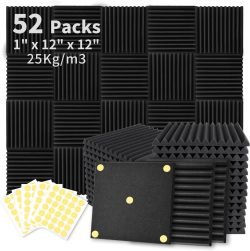
  • Adding acoustic panels to absorb sound.
  • For best results, place panels at key reflection points. That’s where sound from a source hits walls or the ceiling before reaching the microphone.
  • Using soft materials like rugs, curtains, and other furniture to minimize bouncing.
acoustic panels for home studio

Bass Issues

Low-frequency sounds (bass) accumulate in corners and along walls, creating a boomy, and overpowering sound.
Fix Bass Issues by:
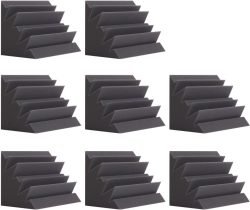
  • Add bass traps (thicker foam or panels) in the corners of the room.
  • Use furniture, like bookshelves, to help scatter bass frequencies.
home studio bass traps

Room Shape

Best Speaker Orientation within a Room

The orientation of your home studio setup can greatly influence sound quality. Here’s how to get the best placement for your speakers and listening position:
  1. Face the longer room dimension (sit along the shorter wall).
  2. Keep speakers symmetrical, with space around them.
  3. Place your listening position around 38% into the room for the best bass response.
This setup gives your sound waves more room to breathe and reduces acoustic issues for a clearer, more balanced sound!

Best room shape for a Home Studio

palcement in room

The shape of a room affects how sound bounces around. Some shapes make sound behave nicely, while others make it all messy.

A rectangular room is usually best because sound spreads out evenly and is easier to control. Furthermore, you can easily predict where echoes and bass buildup will happen, which makes treating them a very straightforward process.

Room Shapes to Avoid:

  • Square rooms: Sound bouncing between the walls create spots where some sounds get super loud (called standing waves) while others can disappear entirely.
  • Circles or domes: Sound gets trapped along the edges and bounces endlessly, creating a strange echoey mess.

Best Room Size for a Home Studio

Bigger is generally better:

  • Big rooms: Sound bounces less often, so there’s less echo, though bass can still be tricky.
  • Small rooms: Sound bounces more quickly, making echoes worse. It’s harder to fix.

Speaker Placement

Your speakers deliver sound directly to your ears, but they also send sound bouncing around the room. Correct speaker placement minimizes reflections and ensures you hear an accurate, balanced mix (not too much bass, treble, etc.).

The equilateral triangle rule is a standard setup for studio monitors:

  1. Place the two speakers so that they and your head form a triangle with equal sides.
  2. The distance between the speakers should match the distance from each speaker to your ears.
  3. Tilt the speakers slightly inward so they’re aimed directly at your ears (not pointing straight ahead).
For example: if your head is 4 feet from the left speaker, the right speaker should also be 4 feet away, and the speakers themselves should be 4 feet apart.

Speaker Distance from Walls

Avoid placing the speakers too close to walls or corners, as this can amplify bass unnaturally. Aim for at least 6–12 inches of space behind the speakers.

If space is tight, consider front-ported speakers. They have the bass port in the front because they’re designed for close-to-wall placement.

How High Should You Place the Speakers?

The tweeters (small cones that produce high frequencies) should be at the same height as your ears when you’re seated.

Raise your speakers off the desk using speaker pads to using reduce vibrations.

Quick Tips for Home Studio Room Acoustics

  • Bookshelves with books are great for sound diffusion (spreading sound evenly).
  • Thick rugs are very good for absorbing sound on floors.
  • DIY works! You don’t need expensive gear. Even some old blankets can help.

It’s all about reducing unwanted echoes and bass buildup so your recordings and playback sound crystal clear!

How useful was this post?

Click on a star to rate it!

Average rating 0 / 5. Vote count: 0

No votes so far! Be the first to rate this post.

We are sorry that this post was not useful for you!

Let us improve this post!

Tell us how we can improve this post?